Exploring Sustainable Materials for Sewing Projects
As the fashion industry shifts towards more environmentally-conscious practices, many sewing enthusiasts are eager to explore sustainable materials for their projects. This article discusses various sustainable fabric options, their benefits, and how they contribute to a greener future.
Understanding Sustainable Fabrics
Sustainable fabrics are made from materials that have a lower environmental impact compared to conventional textiles. According to studies, the textile industry is a significant contributor to pollution, with about 20% of global wastewater produced by fabric dyeing and finishing processes. Thus, opting for sustainable alternatives can help reduce this environmental burden.
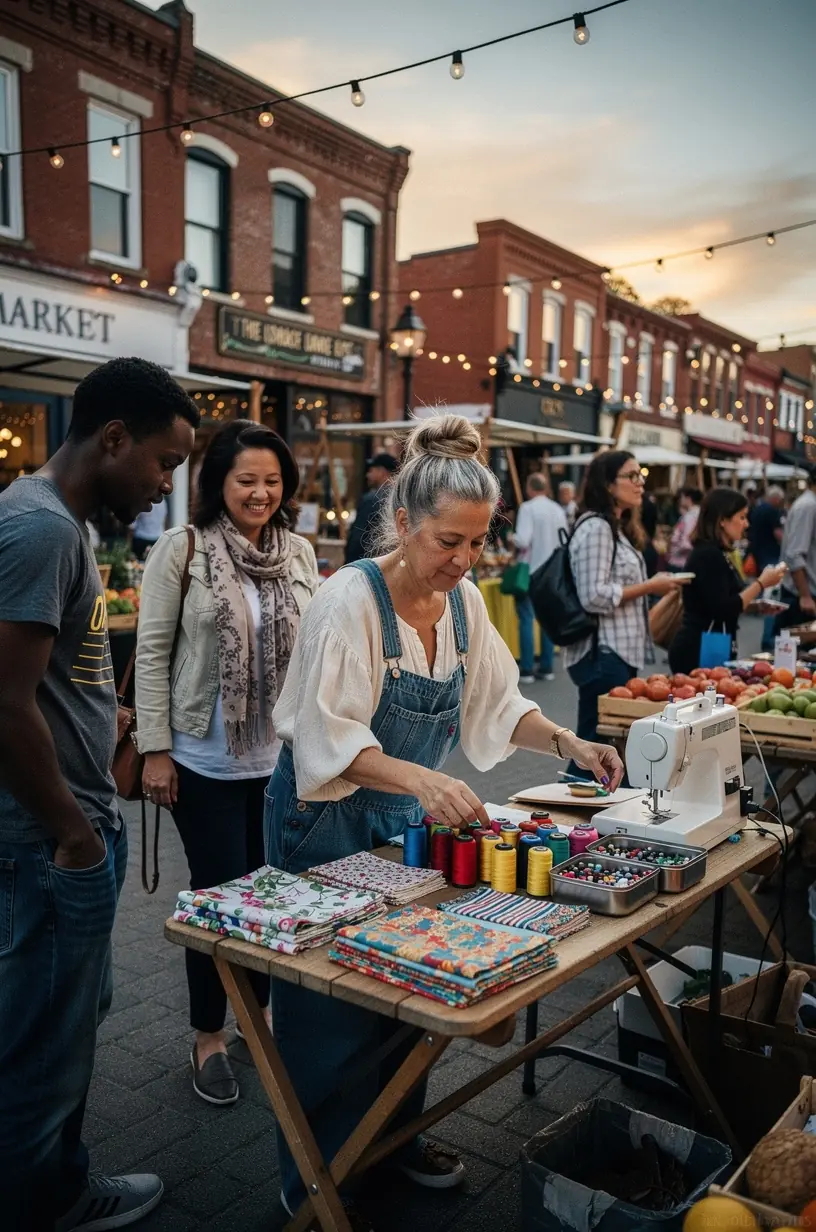
"Choosing sustainable materials for sewing can significantly minimize the negative impact on our planet." - Sustainable Fashion Expert
Types of Sustainable Materials
There are several types of sustainable materials available for sewing projects. Here are some popular options:
- Organic Cotton: Grown without synthetic pesticides or fertilizers, organic cotton is a common choice among eco-conscious sewists. Research shows that it can reduce soil contamination.
- Hemp: This fast-growing plant requires minimal water and no pesticides, making it an environmentally friendly option. Many users report that hemp fabric is durable and softens with each wash.
- Bamboo Fabric: Derived from bamboo plants, this fabric is biodegradable and produced without harmful chemicals. However, its environmental impact can vary based on the production processes used.
- Recycled Polyester: Made from recycled plastic bottles, this fabric helps reduce plastic waste and can be an excellent alternative for activewear and casual clothing.
The Benefits of Using Sustainable Materials
Choosing sustainable materials not only benefits the environment but can also enhance your sewing projects in several ways:
- Reduced Environmental Impact: Sustainable fabrics can help decrease pollution and resource depletion, aligning with eco-friendly principles.
- Unique Characteristics: Many sustainable fabrics have distinct textures and qualities, bringing a unique aesthetic to your projects.
- Long-term Durability: While some sustainable options may have a higher upfront cost, they often prove to be more durable, leading to potential long-term savings.
Challenges in Using Sustainable Fabrics
While sustainable materials offer numerous advantages, there are some challenges to consider:
- Availability: Not all fabric stores carry a wide range of sustainable materials, which may require additional effort to find.
- Learning Curve: Some sustainable fabrics may behave differently than conventional materials, requiring a learning period for effective sewing techniques.
- Cost: Sustainable fabrics can sometimes be more expensive due to ethical sourcing and production practices, which may not fit every budget.
Conclusion
Incorporating sustainable materials into your sewing projects is a valuable way to contribute to environmental conservation while creating beautiful pieces. By understanding the types of sustainable fabrics available and acknowledging the challenges they may present, you can make informed decisions that align with your crafting values. Remember, every small change can create a positive impact in the larger scheme of sustainability.