How to Choose the Right Fabric for Your Knitting and Sewing Projects
Choosing the appropriate fabric is crucial for the success of your sewing or knitting project. This article provides insights into selecting the right material based on various factors to help you achieve the best results.
Understanding Different Fabric Types
Fabrics are classified into several categories, each with unique properties. According to experts, understanding these categories can significantly enhance your selection process. Here are some common fabric types:
- Cotton: Known for its breathability and durability, cotton is a versatile choice suitable for various projects including clothing and home décor.
- Wool: Often recommended for knitting, wool is warm and resilient. It typically works well in cold weather garments.
- Silk: This luxurious fabric can add elegance to garments but requires careful handling due to its delicate nature.
- Polyester: A synthetic option that is durable and easy to care for, polyester blends are often used for a variety of sewing projects.
Consider the Project Requirements
Each project may require different characteristics from the fabric. Here are some factors to consider:
- Purpose: Think about the final use of the item. For example, garments intended for active wear may benefit from stretchy, moisture-wicking fabrics.
- Comfort: Fabrics that will be in contact with the skin should typically be soft and breathable, like cotton or bamboo blends.
- Care Instructions: Fabrics with easy care requirements, such as machine washability, are often preferred for everyday items.
Weight and Drape Matter
The weight and drape of the fabric can significantly influence the outcome of your project. Weight refers to the heaviness of the material, while drape describes how it falls or flows when hung. According to industry standards, lighter fabrics are often better for flowing garments, while heavier materials are suitable for structured designs.
"Selecting the right weight and drape is essential for achieving the desired look and feel of your project." - Fabric experts
Testing Fabric Before You Commit
Before purchasing a significant amount of fabric, it is beneficial to test a small sample. This can help you evaluate:
- The fabric's texture and feel against your skin
- How it behaves when washed
- How it holds its shape after wearing or washing
Experts recommend making a quick test swatch before finalizing your choice, especially for projects requiring a specific fit or drape.
Consulting with Professionals
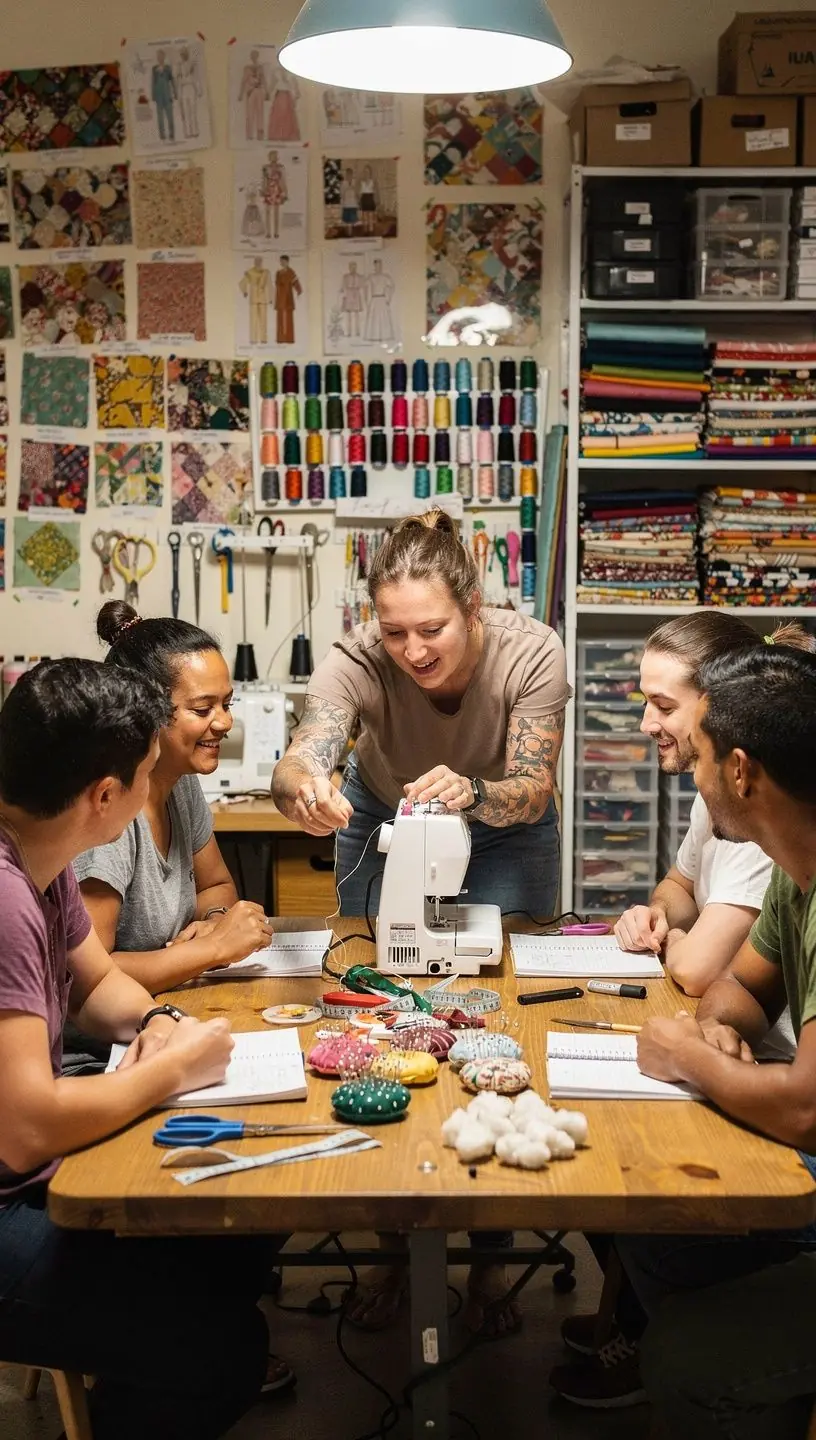
When in doubt, reaching out to fabric store staff or joining a local crafting community can provide valuable insights. Many experienced crafters and store employees can share their knowledge about fabric properties and suggest suitable options based on your project goals.
Conclusion
Choosing the right fabric involves understanding the different types available and considering the specific needs of your project. By taking the time to evaluate fabric types, weights, and draping qualities, you can enhance your crafting experience and improve the quality of your finished pieces. Remember, choosing a fabric that is well-suited to your project can often make a significant difference in the overall outcome.
Learn More