The Importance of Thread Types in Sewing
Choosing the right thread is crucial in sewing, as it can significantly impact the durability and appearance of your finished project. In this article, we'll explore the different types of threads available, their specific uses, and why selecting the appropriate thread is essential for your sewing projects.
Understanding the Basics of Thread Types
In the world of sewing, threads come in numerous varieties, each designed for different purposes. The most common types include cotton, polyester, nylon, and specialty threads. According to experts in the sewing industry, understanding the characteristics of each thread type can enhance your sewing experience and outcomes.
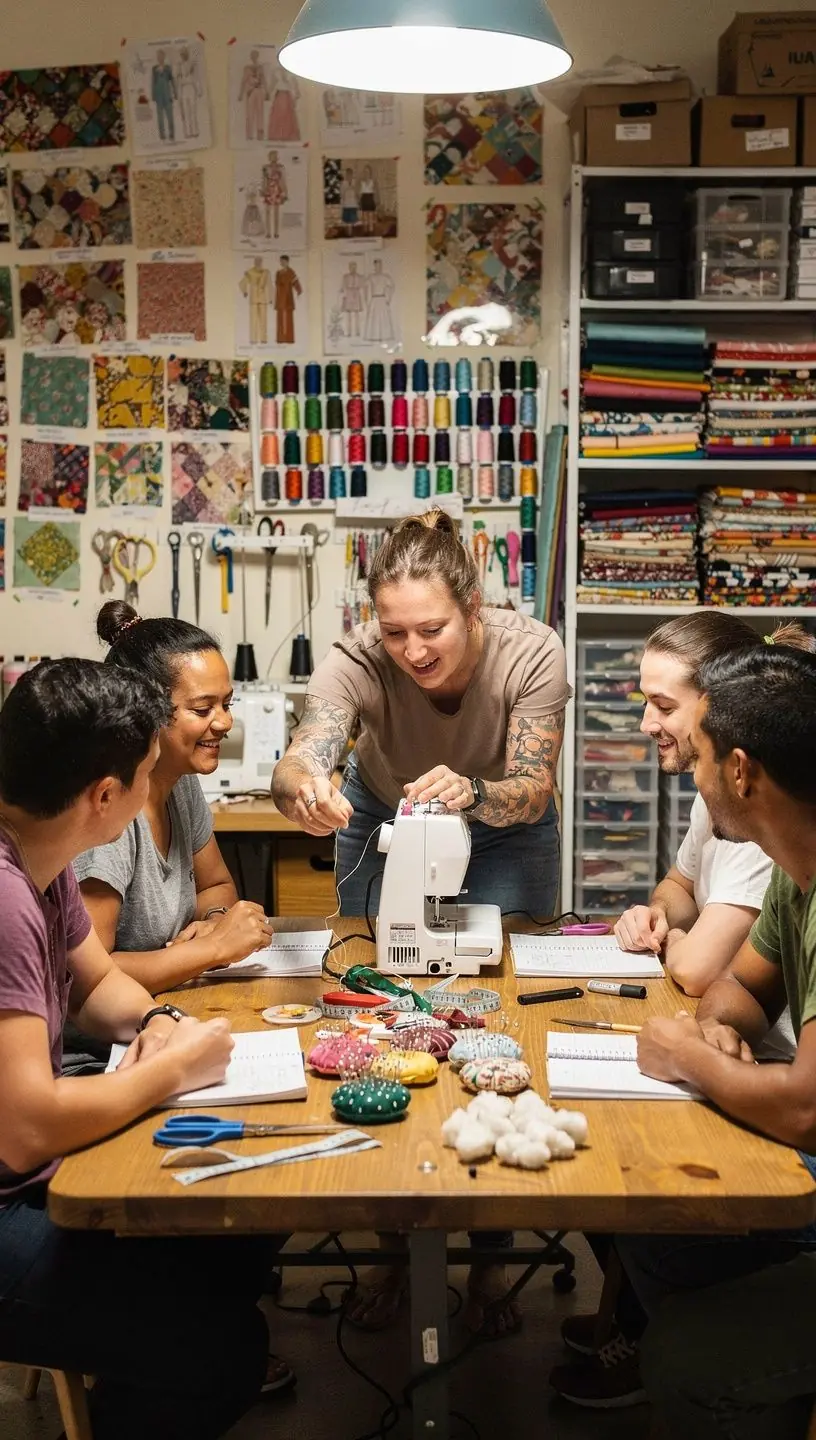
"Using the correct thread for your fabric not only improves the quality of your sewing but can also save time and resources in the long run." - Sewing Expert
Common Thread Types and Their Applications
- Cotton Thread: Often recommended for quilting and garments, cotton thread is typically soft and has a low stretch. It works well with natural fibers like cotton and linen.
- Polyester Thread: This versatile thread is suitable for a wide range of fabrics. Studies show that polyester thread is less prone to fraying and fading, making it a reliable choice for everyday sewing.
- Nylon Thread: Known for its strength and elasticity, nylon thread is often used in heavy-duty sewing applications, such as upholstery and outdoor gear.
- Specialty Threads: This includes threads like metallic, silk, and embroidery threads, which can add decorative elements to your projects. However, experts recommend testing these threads on fabric scraps first, as they may require specific needles and tensions.
Choosing the Right Thread for Your Project
Selecting the appropriate thread is essential for achieving the desired results in your sewing projects. Many users report that matching the thread type to the fabric can enhance the overall appearance and durability of the finished piece. Here are some tips to consider:
- Fabric Compatibility: Always check the fabric content. For example, cotton thread is often best for cotton fabrics, while polyester is more suitable for synthetic materials.
- Project Purpose: Consider the final use of your project. If it’s a garment that will experience a lot of wear, a strong polyester thread may be more appropriate.
- Thread Weight: Thread weight can affect the stitch appearance. A lighter thread may be suitable for delicate fabrics, while a heavier thread may be better for thicker materials.
Acknowledging Limitations
While selecting the right thread can improve your sewing outcomes, it’s important to acknowledge that there may be a learning curve involved. Many beginners find that mastering the various thread types and their uses requires practice and experimentation. Therefore, it’s advisable to start with simple projects and gradually progress to more complex ones.
Conclusion
In conclusion, understanding the importance of thread types in sewing can greatly improve your crafting experience. By choosing the right thread for your fabric and project type, you can enhance the durability and aesthetics of your finished piece. Remember, the key is to experiment and learn what works best for your specific projects, as many factors can influence your sewing outcomes.
Learn More